
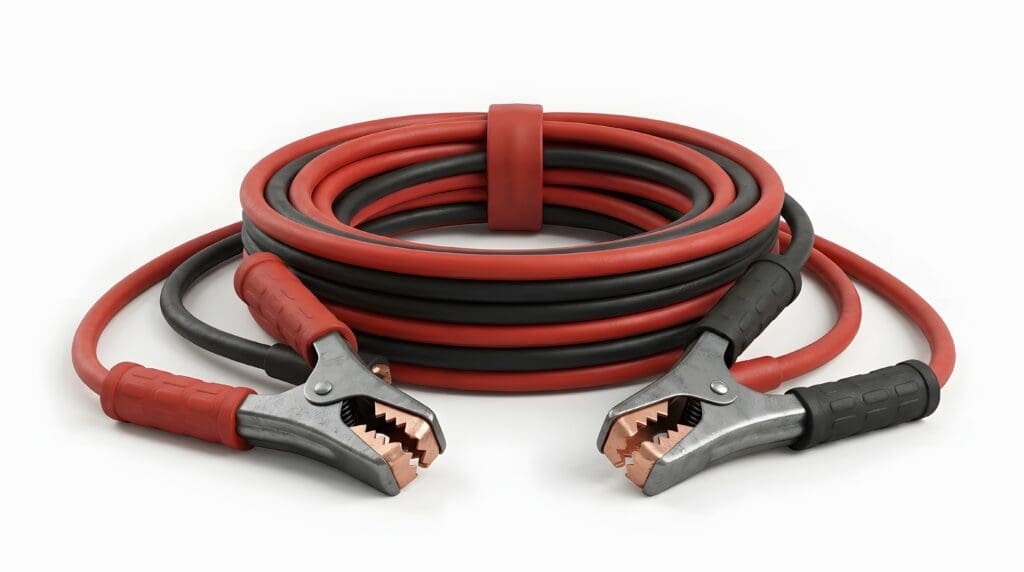
A jump-start is a procedure used to start a vehicle with a discharged or “dead” battery by temporarily connecting it to an external power source, commonly another car with a charged battery. This has long been a way to help fellow motorists. However, with the rise of hybrid, electric vehicles (EVs) and plug-in hybrid electric vehicles (PHEVs), jump-starting will require more knowledge and preparation if you want to help someone else or get yourself out of trouble without making some expensive mistakes.
First, some background information
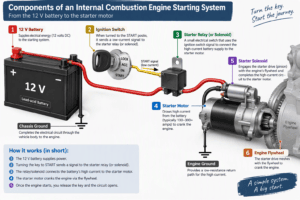
In a pre-hybrid/PHEV/EV world, most cars had only a single 12-volt battery that had to supply a large current (flow of electricity) to crank the engine until it started. Once the engine started, the battery was part of the system that powered the car’s other electrical components and control units.
Newer Vehicles
If the vehicle is a hybrid or PHEV with an internal combustion engine (ICE), it may not have a conventional 12-volt starter motor; instead, one of the large electric motors in the transmission cranks the engine, drawing power from the traction battery. Now, in the very rare event that the HV traction battery is flat, jump-starting the 12-volt system will not allow the engine to crank in most hybrids and PHEVs. This is a serious, complex problem that requires professional help.
Can you jump-start a hybrid/PHEV/EV using an ICE car?
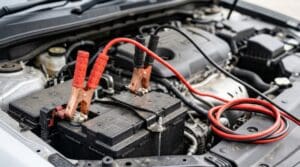
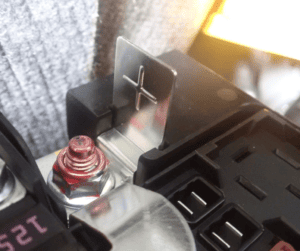
In most cases, yes. If the 12-volt battery in the hybrid/PHEV/EV is flat, the owner’s manual should provide the jump-starting procedure and the location of the jump-starting points. The charged battery in the ICE car will power up the hybrid/PHEV/EV 12-volt system and will allow power to flow from the HV traction battery to keep the car going. Refer to the owner’s manual before proceeding, as the jump-starting points may not be on the 12-volt battery.
Can you use a hybrid/PHEV/EV to jump-start an ICE car?
In most cases, no. The current required to crank an ICE vehicle may exceed what a hybrid/PHEV/EV 12-volt system can supply, which could damage connectors and expensive electronic components. In many cases, the hybrid/PHEV/EV car’s 12-volt battery is hard to access, and the provided jump-start points are often not designed for the current draw of ICE vehicles.
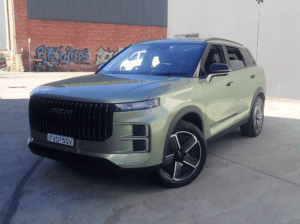
Can you use a hybrid/PHEV/EV to jump-start another hybrid/PHEV/EV
Maybe, but commonly not recommended. Using a hybrid/PHEV/EV as a power supply for another vehicle may allow excess current to flow in a direction the system wasn’t designed for. Refer to the owner’s manual before proceeding.
What are the recommendations on jump-starting
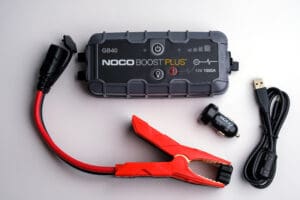
If you want to make sure that you are not caught out by a flat battery or want to assist your fellow motorist, there is a wide range of portable jump-starter packs available that can safely provide the 12volts required to power up a hybrid/PHEV/EV and get you going. Some of these jump-starter packs can start an ICE vehicle, provided the battery isn’t completely dead.

The owners manual
You should always refer to the owner’s manual for the vehicles you are planning on jump-starting to avoid potential damage to one or both vehicles. Repairing a vehicle that was jump-started incorrectly could cost hundreds of dollars, if you are lucky, or thousands, depending on the damage and the price and availability of new parts.
How to avoid the jump-start with battery testing
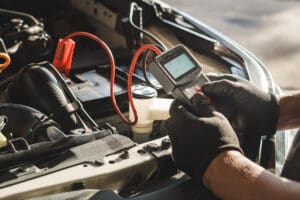
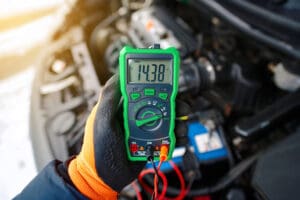
Since all these vehicle types still have 12-volt batteries (or low-voltage batteries with different outputs) that power the electronics needed to start and drive the vehicle, it’s important to check the battery regularly. Most VACC member workshops can check the 12-volt battery’s state of health, which helps them recommend replacing it before it reaches the point where you need a jump-start. They can also check the vehicle’s charging system to ensure the battery recharges properly.
Problem with the car or the driver?
If the battery and charging system check out OK but you still have flat-battery issues, a VACC member can advise on driving behaviour that could be the problem, such as not driving far or frequently enough to keep the battery charged. They can also diagnose current-draw problems that are draining the battery. These problems existed long before the advent of hybrid/PHEV/EV cars, and they aren’t immune.
Recommendations
Regular vehicle maintenance reduces the chance of being caught out due to a low-voltage battery failure. Keeping a charged jump pack in the car is a good backup option if you or someone else gets into trouble. Knowing where your jump points are and how to use them can prevent expensive damage if you try to jump-start any vehicle. If you are not comfortable with these options, a roadside assistance membership is a good investment. Visit your local VACC member to discuss which options best suit your needs and help you avoid being caught out.
Click here to find a VACC member