
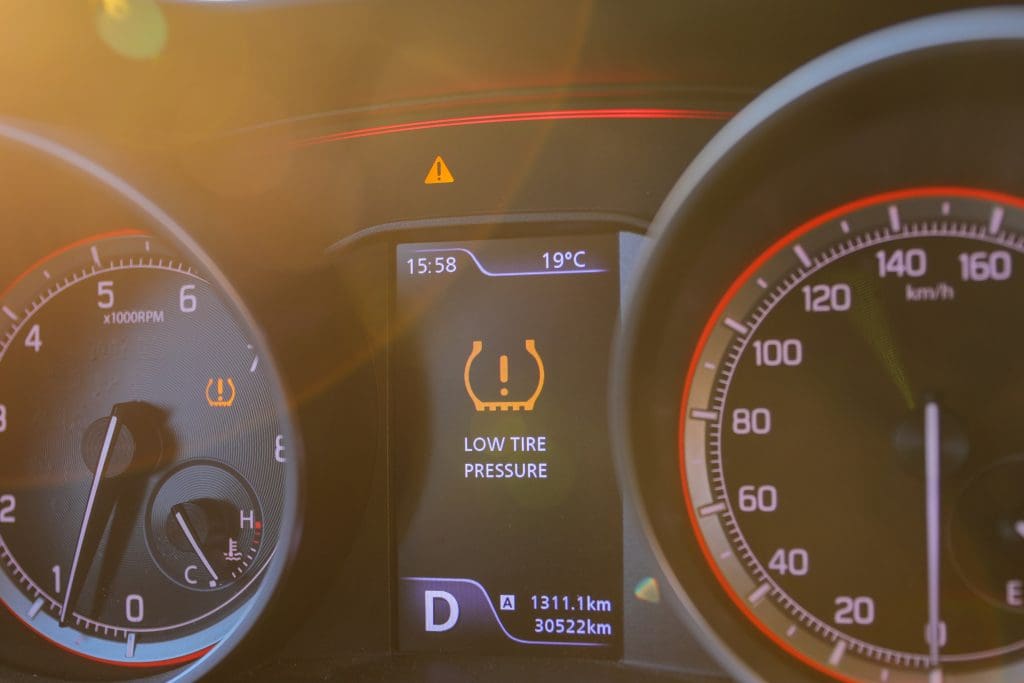
Australian fuel prices have risen dramatically due to international issues beyond our control. But the amount of fuel your car or truck consumes can be influenced by how much attention it receives. Maintaining correct tyre pressure is one of the simplest ways to improve your vehicle’s fuel economy, and most modern cars have Tyre Pressure Monitoring Systems (TPMS) to help, but it is up to you to know how to use them correctly to save you money.
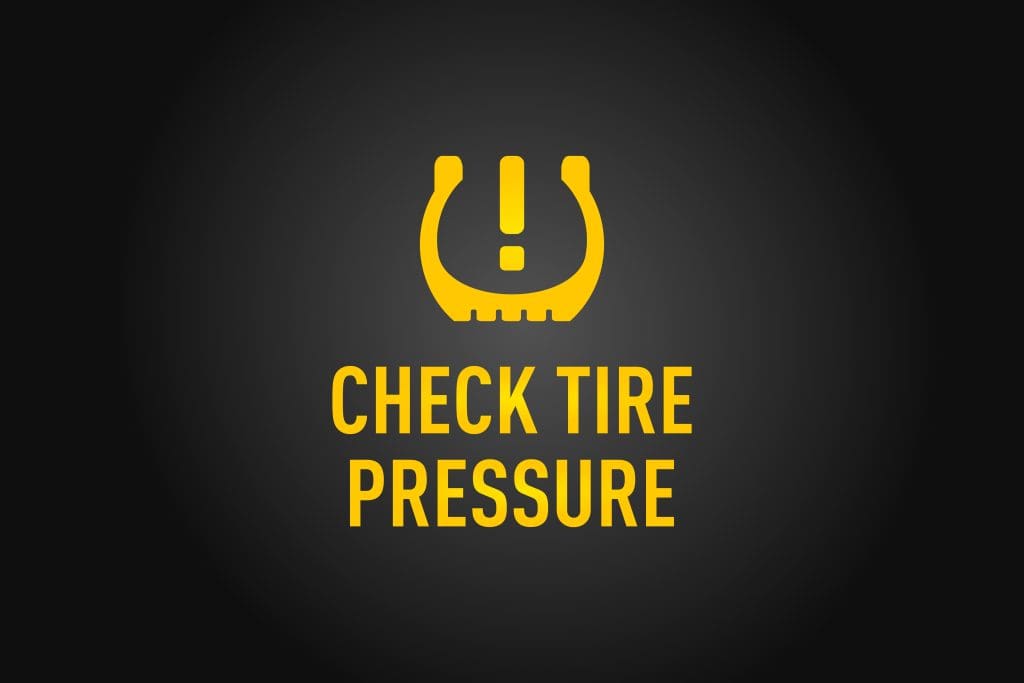
Tyre Pressure Monitoring Systems (TPMS)
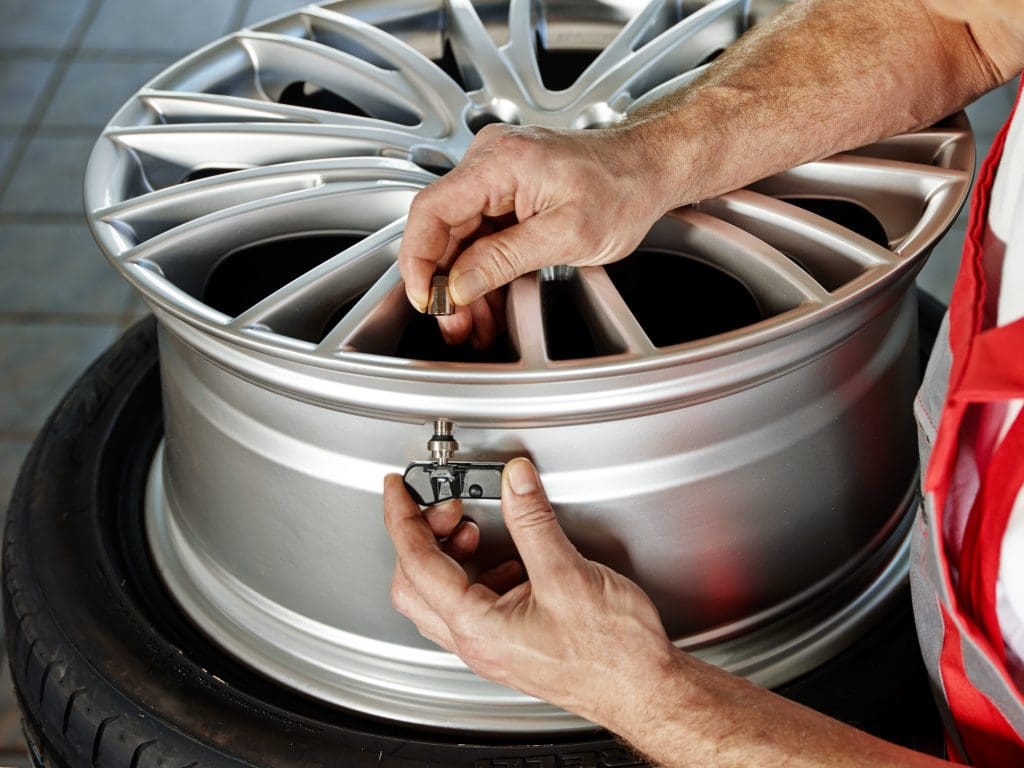
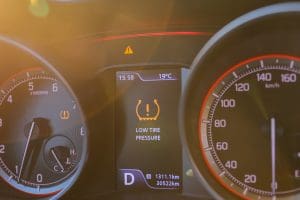
Tyre Pressure Monitoring Systems (TPMS) are used on vehicles with run-flat tyres (no spare wheel) and can operate in two ways. The simplest is to use the wheel-speed signals from the Anti-Lock Braking System (ABS). When all the tyres are pumped up to the correct pressure, they will have the same diameter, so they will all roll at the same speed. If a tyre goes flat, its diameter will be reduced, which will give a faster signal than the rest, and a warning light will turn on. The other, more complex but more accurate TPMS uses wireless pressure sensors in each wheel to send signals that display the actual tyre pressure to the driver. These systems are designed to help the driver maintain their vehicle, keeping it safe and as fuel-efficient as possible, but they rely on the driver to know what the correct pressures are and what to do about them.

The 1% Rule
There have been studies that indicated that for every 1% decrease in tyre pressure, there is a roughly 0.3% reduction in fuel economy, which adds up as follows:
- 10% under-inflated: Increases fuel consumption by approximately 2%.
- 20% under-inflated: Increases fuel consumption by roughly 4%.
- Extreme under-inflation: At 40% below the recommended level, fuel consumption can spike by 8% to 10%.
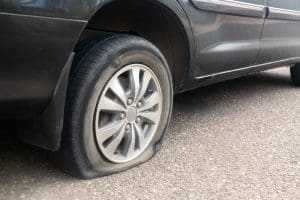
The reason is that an under-inflated tyre has a larger contact patch with the road, and its sidewalls must bend and flex more, increasing rolling resistance. If you have ever ridden a push bike with a half-flat tyre, you will know how much more effort it takes. If a car or truck requires this extra effort, it will result in higher fuel consumption.
Commonly, a Tyre Pressure Monitoring System will only turn on a dashboard warning light when one or more tyre pressures drop approximately 25% below the vehicle manufacturer’s recommended “cold” inflation pressure, which is now a safety issue. So you could be running around for a long time using extra fuel. Unfortunately, many drivers ignore TPMS warning lights and continue driving, as run-flat tyres may not look flat. In this case, driving on a flat tyre for too long could result in tyre damage, which is another cost to you.
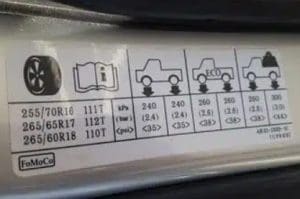
Tyres naturally lose pressure slowly, so it is up to you, the driver, to be familiar with the correct tyre pressures and ensure they are pumped up to the maximum specification as stated in the owner’s manual or the tyre placard for your car. You should check and adjust the tyre pressures when the tyres are cold for the most accurate results. If you do a lot of driving, checking tyre pressures weekly is a good idea, at least monthly.
Tyres naturally lose pressure slowly, so it is up to you, the driver, to be familiar with the correct tyre pressures and ensure they are pumped up to the maximum specification as stated in the owner’s manual or the tyre placard for your car. You should check and adjust the tyre pressures when the tyres are cold for the most accurate results. If you do a lot of driving, checking tyre pressures weekly is a good idea, at least monthly.
For VACC MotorTech subscribers, if you need information on diagnosing and repairing TPMS issues, see the following TechTalk article.
Tyre Pressure Monitoring System – Overview and Diagnostic
TechTalk October 2023, page 5468
Cars and trucks require attention and maintenance to keep them as safe and efficient as possible, and ensuring the correct tyre pressure is a small way you can reduce your running costs and get more distance per dollar.
