
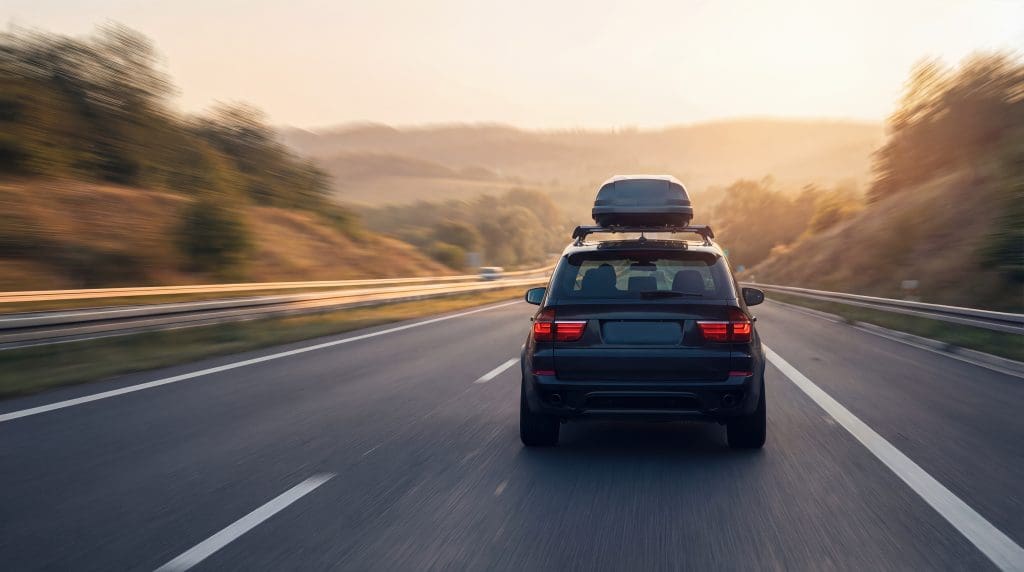
Sometimes you turn on the news, and it just seems to add more weight to the things on your mind. With the latest troubles in the Middle East, which have raised fuel prices, many motorists are looking for ways to reduce their fuel costs. One possible way to do this is to reduce your vehicle’s weight, which can lower fuel consumption and keep your bank account fatter for longer.
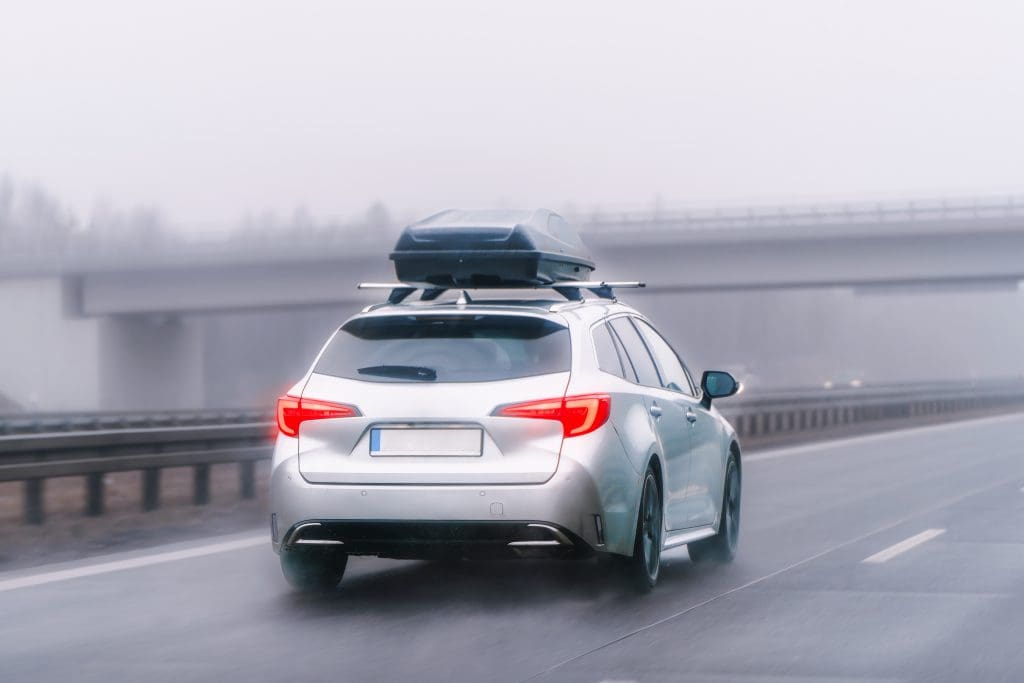
The Change in Car Choice
Australians have gradually shifted their car preferences from smaller cars and sedans to SUVs and Dual-Cab Utes, which, on average, are heavier. There is not much you can do about this. However, these vehicles often have more cargo and luggage space, and people tend to use them as mobile storage, which impacts fuel efficiency.
Vehicle weight directly affects fuel consumption, as heavier vehicles require more energy to accelerate, brake, and maintain speed, especially during stop-and-go driving. Generally, every 45 kg of extra weight reduces fuel efficiency by up to 2%. It is recommended to remove anything that is not essential to reduce the vehicle’s weight and improve fuel efficiency.
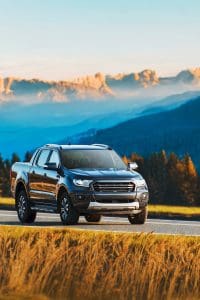

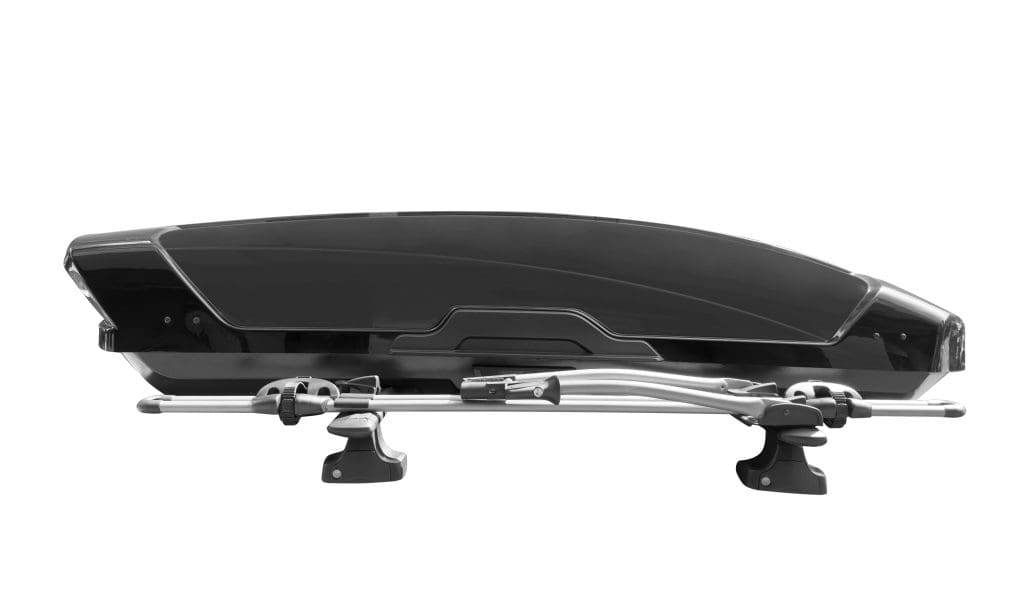
Many SUV and 4WD owners have been known to install camping or work-related accessories, all of which require more fuel to move from one place to another. Bull and roll bars are hard to remove and refit, but not impossible. One popular trend is the rooftop tent mounted on many vehicles. Some claim that these can add 50-100 kg while increasing the vehicle’s wind resistance, reducing fuel efficiency by 10–17%. If you are heading away for a trip, this is all fine, but if you are using this vehicle with all your camping gear to commute to work, you can save money by removing it until your next adventure.
Reducing vehicle weight as much as you can is only one part of the equation for saving fuel. Keeping your vehicle well-maintained is essential to ensure there are no other problems impacting fuel economy, such as engines out of tune, blocked air filters, misaligned wheels, dragging brakes, or incorrect tyre pressures. Then there is how the vehicle is driven, as aggressive acceleration and braking consume more fuel.
For more information on these topics, visit your nearest VACC member for advice, which could take some of the weight off your mind about how much fuel you need.
