
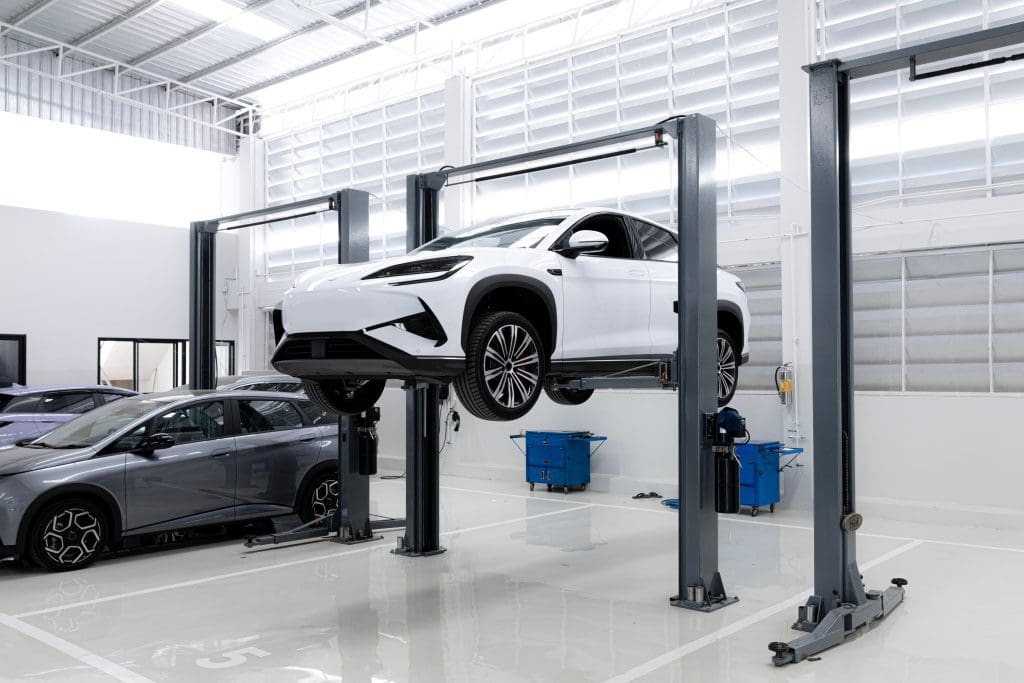
There is sometimes a misconception that electric vehicles are maintenance-free or can be treated like disposable appliances. That is not the case. An EV is still a motor vehicle operating in a demanding road environment, and it still requires professional inspection, servicing, and maintenance to ensure all its systems and components function correctly.
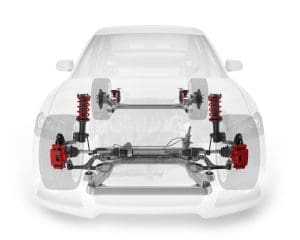
EVs are commonly heavier and, in many cases, more powerful than internal combustion engine vehicles. These vehicles wear tyres and suspension components if driven hard, compromising the vehicle’s safety. Regular service and maintenance checks by reputable automotive businesses can identify worn components and recommend replacement as required. Having the vehicle serviced in line with the manufacturer’s recommended service schedule should also make any warranty claims easier if problems arise.
Electric vehicles typically have a simpler driveline than an ICE vehicle, but they still require service. It is a misconception that there is no oil to change, as there is no engine. However, most EVs will have transmissions or reduction gearboxes with oil that must be changed on schedule. Some EVs have liquid coolant for the battery and inverter, which will need to be changed when required. And like all cars, they have brake fluid that needs to be changed every 2 or 3 years, depending on the specification.
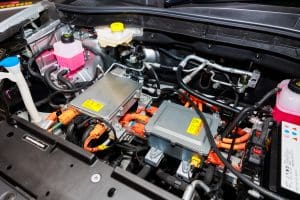
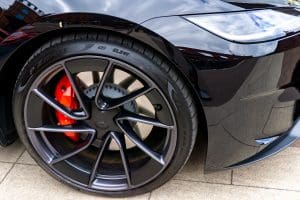
EV’s and PHEVs use regenerative braking, which means that the hydraulic braking systems don’t have to work as hard. As a result, brake pad service life has increased dramatically, reducing the need for replacement and lowering running costs. However, if hydraulic braking systems are used less frequently, the risk of brake callipers seizing from disuse increases. This can reduce braking capacity in an emergency. Most technicians are aware of this common issue and should check this when the vehicle is in for a service.
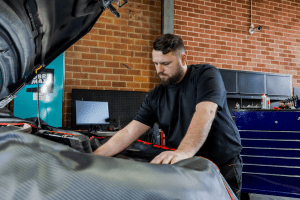
A qualified automotive technician’s skill set is transferable to most common service requirements for EVs and other high-voltage vehicles. The high-voltage components can be checked with commonly available diagnostic tools and visual inspections for damage or leaks; in most cases, this is all that is required for the high-voltage system service inspections. If issues are found with the high-voltage components, the technician will need appropriate safety and technical training to repair them safely and efficiently.
Not all electric vehicles are the same; there are pure EV’s, and then there are plug-in hybrids with large batteries and combustion engines. Then there are traditional hybrids, which can’t be recharged from an outside source. Each make and model will have service requirements prescribed by the manufacturer, which should be followed to ensure the vehicle remains reliable and safe. They are not a maintenance-free appliance. Vehicle owners should read their owner’s manual to understand the maintenance requirements and what they can inspect themselves.
For pure electric vehicles, maintenance and operating costs are lower. However, regular servicing and safety inspections are still required to ensure that the vehicle remains safe and reliable for you and other road users.
If you have any questions about service requirements for your car, contact your local VACC member.
Click here to find your local VACC Member